
Home Selling Tips & Resources
Learn how to sell your house faster, avoid costly mistakes, understand your options, and make informed decisions with our homeowner-focused resources.
Avoid Foreclosure in Maryland: Options & Solutions
Real Estate, Avoid Foreclosure Maryland
How to Avoid Foreclosure in Maryland: Options, Timelines, and Realistic Solutions
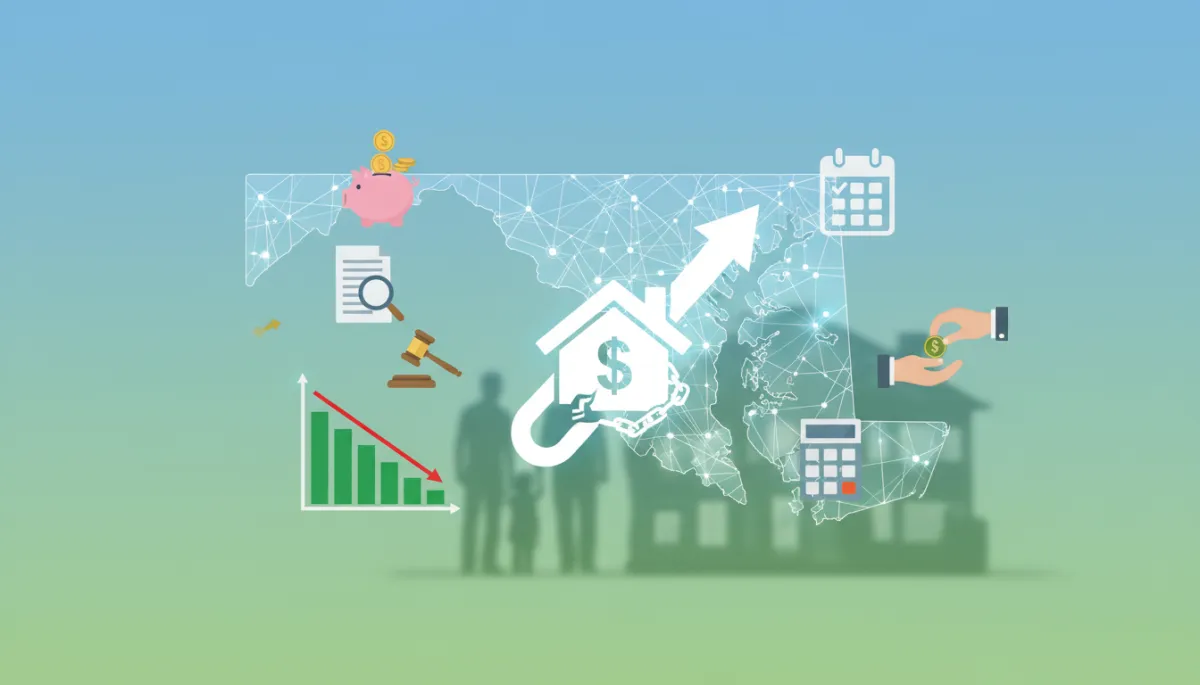
Facing the possibility of foreclosure is stressful, but you are not alone. This guide explains how foreclosure works in Maryland, the options you may have to keep or sell your home, and how a cash sale to a company like SellHouseMD can sometimes help you avoid foreclosure without pressure or empty promises.
Quick answer: Yes, in many situations selling your house before foreclosure can help you avoid foreclosure in Maryland. If your home has enough value to pay off your loan and selling costs, a timely sale may stop the foreclosure process, protect your credit from a foreclosure mark, and allow you to move on. However, this depends on your equity, your loan status, and your lender’s actions, so it is not guaranteed for everyone.
Legal Disclaimer: This article is for informational and educational purposes only and is not legal, tax, or financial advice. Foreclosure laws change, and every homeowner’s situation is different. Before making decisions, consult a qualified Maryland real estate attorney, HUD-approved housing counselor, or financial professional.
What Is Foreclosure?
Foreclosure is the legal process a lender uses to take back a property when the homeowner falls behind on the mortgage and cannot catch up. The lender then typically sells the home, usually at a public auction, to recover the money owed on the loan, plus fees and costs. In Maryland, foreclosure is a court-supervised process with specific steps and deadlines designed to give homeowners notice and an opportunity to respond.
How Foreclosure Works in Maryland (2026 Overview)
Maryland uses a judicial-style foreclosure process with detailed requirements. While timelines vary, many foreclosures in Maryland take roughly 6–9 months from the first missed payment to a foreclosure sale, and sometimes longer if mediation or court challenges occur. Below is a simplified overview based on current Maryland law and public data from the Maryland Office of Financial Regulation and the courts.
Missed payments and default: Foreclosure usually starts after several missed payments. By law, at least 90 days must pass after default before a foreclosure case can be filed in court (Md. Code, Real Prop. § 7-105.1).
Notice of Intent to Foreclose (NOI): Your lender must send a written Notice of Intent to Foreclose at least 45 days before filing a foreclosure action. This notice outlines what you owe, your right to seek housing counseling, and where to find help. The lender must also submit this notice to Maryland’s Foreclosure Registration System within 5 business days of mailing it (OFR data tracker).
Foreclosure filing: After the 90-day default period and 45-day NOI period, the lender may file a foreclosure action in court. You should receive a packet with legal documents and information about your rights and options, including mediation for owner-occupied homes (courts.state.md.us).
Mediation (for owner-occupied homes): If you live in the home, you may request foreclosure mediation within 25 days of receiving the Final Loss Mitigation Affidavit, usually with a $50 fee. Courts may waive or reduce this fee for hardship. Mediation can slow the process and give you a chance to explore alternatives with the lender.
Right to cure (catch up): In many cases, you have the right to cure the default by paying the past-due amount and certain fees up to one business day before the foreclosure sale (Md. Code, Real Prop. § 7-105.1).
Sale notice and auction: The foreclosure sale must be advertised in a local newspaper once a week for three consecutive weeks, starting at least 15 days before the sale and ending no later than one week before the sale. You should also receive a mailed notice of sale 10–30 days before the auction, via certified and first-class mail (courts.state.md.us; dllr.state.md.us).
Post-sale steps and eviction: After the sale, the buyer must register the property with the state and send written notice to all occupants. If you remain in the home, the new owner may eventually seek eviction through the courts. Tenants have specific protections, including a 90-day notice in many cases or the right to stay through the lease term.
Note: A 2026 law (SB0353) adds further restrictions on starting residential foreclosures in Maryland, signaling tighter consumer protections. For the most accurate, current details, speak with a Maryland real estate attorney or HUD-approved counselor.
Why So Many Maryland Homeowners Face Foreclosure
Foreclosure filings in Maryland remain significant. In 2025, the state recorded over 91,000 Notices of Intent to Foreclose and more than 9,100 Notices of Foreclosure Filing, according to the Maryland Office of Financial Regulation. Early-stage defaults increased over 20% year-over-year in late 2025, with concentrations in Baltimore City, Prince George’s County, and surrounding areas (dhcd.maryland.gov; dllr.state.md.us).
Behind these numbers are real-life challenges. Common reasons homeowners in Maryland fall behind include:
Job loss, reduced hours, or business income drops
Medical bills or unexpected major expenses
Divorce, separation, or death of a partner who contributed to the mortgage
Adjustable-rate mortgages resetting to higher payments
Property tax or insurance increases that raise monthly escrow payments
Long vacancies or non-paying tenants in rental properties
Early Warning Signs You May Be at Risk of Foreclosure
Recognizing problems early can give you more options to avoid foreclosure in Maryland. Pay close attention if you notice any of the following:
You are using credit cards or loans to cover your mortgage payment each month.
You have already missed one or more payments, or you are rolling payments to the end of the month.
You receive late notices, collection calls, or a Notice of Intent to Foreclose from your lender.
You are unable to pay property taxes, insurance, or critical repairs, even if you are barely making the mortgage payment.
You feel overwhelmed and avoid opening mail or answering calls about your mortgage.
Taking action when you first spot these signs—rather than waiting for a foreclosure notice—can greatly increase your chances to keep your home, sell on your terms, or at least limit damage to your credit and savings.
Your Main Options to Avoid Foreclosure in Maryland
Maryland homeowners typically have several potential options before a foreclosure sale occurs. Not every option is right for every person, and some depend on income, equity, loan type, and lender approval. Below is an educational overview of common strategies, along with general pros and cons—not legal advice.
1. Loan Modification
A loan modification permanently changes your mortgage terms to make payments more manageable. This might include lowering your interest rate, extending your loan term, or adding missed payments to the loan balance. Lenders often consider modifications when you can show stable income but need a lower payment to stay current.
Pros: Can help you keep your home; may lower monthly payment; can stop foreclosure if approved in time; works well when hardship is resolved or predictable (for example, after a furlough ends).
Cons: Application process can be lengthy and paperwork-heavy; no guarantee of approval; may increase total interest paid over the life of the loan; you must still afford the new payment.
2. Repayment Plan
A repayment plan lets you catch up on missed payments over several months by adding a portion of the past-due amount to each regular payment. This option may work when your hardship was temporary and your income has recovered.
Pros: Helps you become current without refinancing; can stop foreclosure if agreed upon; relatively straightforward compared to other options.
Cons: Monthly payments are temporarily higher; may not be realistic if your income has not fully recovered; lender approval required.
3. Refinancing Your Mortgage
Refinancing means replacing your current loan with a new one, ideally with a lower interest rate or longer term to reduce your monthly payment. This generally works best if you still have decent credit, some equity, and enough income to qualify under current lending standards.
Pros: Can significantly lower payments; may remove adjustable-rate risk; gives you a fresh start with a new loan structure.
Cons: Harder to qualify if you are already behind; closing costs may be substantial; takes time, which can be limited if a foreclosure sale is scheduled.
4. Forbearance (Temporary Pause or Reduction)
Forbearance is a temporary agreement with your lender to reduce or pause payments for a set period. It is often used during short-term hardships such as medical leave, natural disasters, or temporary job loss. At the end of forbearance, you must address the skipped amounts, usually through a repayment plan, modification, or lump-sum payment, depending on the agreement.
Pros: Provides breathing room during a crisis; can prevent immediate foreclosure; may be easier to obtain than a full modification in some cases.
Cons: Payments do not disappear; you must still address the missed amounts; if your income does not recover, you may face the same issue later.
5. Selling the Home (Traditional Listing or Cash Sale)
If keeping the home long term does not make financial sense, selling before foreclosure may be a practical way to protect your equity and credit. You can list with a real estate agent for a traditional sale or consider a direct cash buyer like SellHouseMD for a faster, as-is sale. Either option can sometimes help you avoid foreclosure in Maryland if completed before the foreclosure sale date and if sale proceeds are enough to pay off the mortgage and costs.
Pros: May preserve remaining equity; can prevent a foreclosure mark on your credit; gives you more control over move-out timing; a cash sale can close quickly without repairs.
Cons: You must move; timing is critical—if the sale is delayed, foreclosure may still proceed; net proceeds may be limited if you are far behind or the property needs major work.
6. Short Sale (Selling for Less Than You Owe)
A short sale occurs when the lender agrees to let you sell the home for less than the outstanding loan balance and accept the sale proceeds as settlement, subject to specific terms. Short sales require lender approval and can take longer than standard sales because the lender reviews the offer and your hardship.
Pros: May help you avoid a full foreclosure; can reduce or eliminate a deficiency depending on the agreement; allows a more dignified exit than a forced sale at auction.
Cons: Process can be slow and paperwork-heavy; approval is not guaranteed; may still affect your credit; in some cases, the lender may pursue a deficiency balance—discuss this with a Maryland attorney or tax professional.
7. Deed in Lieu of Foreclosure
With a deed in lieu of foreclosure, you voluntarily transfer ownership of the property back to the lender in exchange for the lender releasing the mortgage. This option typically requires you to have tried to sell the property first, and the home usually must be free of other liens that complicate title.
Pros: Can be less damaging to credit than a completed foreclosure; may provide a more controlled move-out timeline; sometimes includes relocation assistance, depending on the lender and program.
Cons: You lose the home and any remaining equity; lender approval required; there may be tax or deficiency implications—speak with a professional advisor.
8. Bankruptcy (Chapter 7 or Chapter 13)
Filing for bankruptcy can trigger an “automatic stay” that temporarily stops most collection efforts, including foreclosure, while the court reviews your case. Chapter 7 typically focuses on discharging unsecured debts, while Chapter 13 may allow you to create a repayment plan to catch up on missed mortgage payments over time. Bankruptcy is a serious step with long-term consequences and should only be considered with guidance from a qualified bankruptcy attorney.
Pros: Can pause foreclosure and other collections; may provide a structured way to catch up or reorganize debts; can discharge certain unsecured debts, freeing up income.
Cons: Significant credit impact; legal and court costs; not all homeowners qualify for all chapters; may not ultimately save the home if payments remain unaffordable.
Because each of these options has legal and financial consequences, it is wise to consult a HUD-approved housing counselor and, when needed, a Maryland attorney before deciding. No single strategy fits everyone.
Can Selling Your House Help Avoid Foreclosure?
In many cases, yes. Selling your house before the foreclosure sale can be a practical way to avoid foreclosure in Maryland, especially if:
Your home is worth more than the total you owe (including missed payments, fees, and closing costs), or
Your lender is willing to approve a short sale when the value is slightly less than the loan balance.
By selling before the auction date, you may:
Prevent a foreclosure judgment and auction from appearing on your credit history
Capture any remaining equity to help with moving costs, rent, or paying down other debts
Choose your move-out date more predictably, instead of facing a sudden eviction after a sale
However, selling is not a guaranteed solution. If the home’s value is far below what you owe, or if the foreclosure sale date is very close, you may not have enough time to close a traditional sale. In those situations, a cash buyer who can close quickly and buy as-is may be worth considering, alongside discussions with your lender and advisors. Every homeowner’s situation is different, so it is important to compare options carefully before deciding. If you want to explore a no-obligation sale, you can always reach out to request a Get My Free Cash Offer from a reputable local buyer.
Comparing Options: Traditional Sale, Cash Buyer, Loan Modification, Short Sale
Option Time & Closing Speed Repairs Needed? Potential to Preserve Equity Complexity Stress Level Traditional Sale (Agent) 30–90+ days to list and close, depending on market and buyer financing Often yes; buyers and lenders may require repairs or updates High if home is in good condition and equity exists after commissions Moderate–high (showings, negotiations, inspections, appraisal) Moderate; uncertainty until buyer’s loan is approved and sale closes Cash Buyer (As-Is) Often 7–21 days, sometimes faster if foreclosure date is near No; property is purchased as-is with no repairs or inspections required by a lender Moderate; offer may be below retail but no commissions or repair costs Low; fewer steps, no bank financing, simpler paperwork Lower; more predictable timeline and fewer contingencies Loan Modification Several weeks to months; depends on lender review and documentation Not applicable; you keep the home and mortgage with new terms High if approved and you can maintain payments over time Moderate–high; requires paperwork, communication, and sometimes mediation Varies; uncertainty while waiting for lender decision Short Sale Often 60–180+ days; lender approval can significantly extend timeline Sometimes; depends on buyer expectations and property condition Low–moderate; sale price is below loan balance, but may avoid foreclosure High; multiple approvals, extra paperwork, potential delays Higher; process can be lengthy and uncertain

A fair, straightforward cash offer can simplify decisions when time is short.
How SellHouseMD Can Help (Without Fear Tactics or Guarantees)
SellHouseMD is a local company that buys houses for cash throughout Maryland. Our role is not to replace attorneys, counselors, or lenders. Instead, we provide one specific option—a fair, as-is cash purchase—for homeowners who decide that selling is their best path to avoid foreclosure or move on from a difficult property. We focus on education and transparency, not pressure or unrealistic promises.
Fair cash offers: We review your property, local market data, and the condition of the home to make a no-obligation cash offer. You are free to compare it with other options or decline it. If you are curious, you can simply ask to Get My Free Cash Offer and review it at your own pace.
Fast closings when timing matters: Because we use cash and do not rely on bank financing, we can often close in days or a few weeks—sometimes before a scheduled foreclosure sale, depending on the situation and legal timeline.
We buy houses as-is: You do not need to fix anything, clean out the property, or pass inspections. This can be especially helpful if repairs are expensive or you are already behind on payments, taxes, or utilities.
Flexible closing and move-out dates: We work with you on a closing date that fits your timeline. In some cases, we can offer flexible move-out arrangements to give you time to relocate after closing, depending on the agreement and your needs.
No commissions or hidden fees: We are not real estate agents, so there are no listing commissions. In many cases, we cover standard closing costs, and you see your net amount clearly on the settlement statement before you sign anything.
A cash sale is not right for everyone. Our goal is to help you understand how it compares to loan modification, short sale, bankruptcy, and traditional listing so you can choose what fits your situation best. If you would like to see what a simple, as-is sale might look like for your Maryland property, you can reach out any time to Get My Free Cash Offer with no obligation.
Maryland Foreclosure Resources and Support
If you are trying to avoid foreclosure in Maryland, you do not have to navigate this alone. In addition to speaking with your lender, consider these resources:
Your mortgage servicer: Contact them as early as possible to ask about forbearance, repayment plans, and loan modification options. Document every conversation and keep copies of all letters and emails.
HUD-approved housing counselors: The Maryland HOPE Initiative and other HUD-approved agencies offer free or low-cost counseling to help you understand your options, communicate with your lender, and prepare for mediation (dhcd.maryland.gov; consumerfinance.gov).
Maryland Attorney General’s Office: The Attorney General provides consumer protection information on avoiding foreclosure scams and understanding legitimate loss mitigation programs (marylandattorneygeneral.gov).
Real estate and foreclosure attorneys: A Maryland attorney who focuses on foreclosure or consumer law can explain how state laws, including SB0353 and mediation rules, apply to your case and help you evaluate legal options such as contesting the foreclosure or pursuing bankruptcy.
Combining professional advice with your own careful research can help you make informed decisions about whether to keep, refinance, or sell your home—and whether requesting a Get My Free Cash Offer from a local buyer fits into your plan.
Areas We Serve in Maryland
SellHouseMD works with homeowners across much of Maryland who are facing foreclosure, dealing with inherited or vacant properties, or simply ready to move on from a house that no longer fits. We regularly buy houses for cash in:
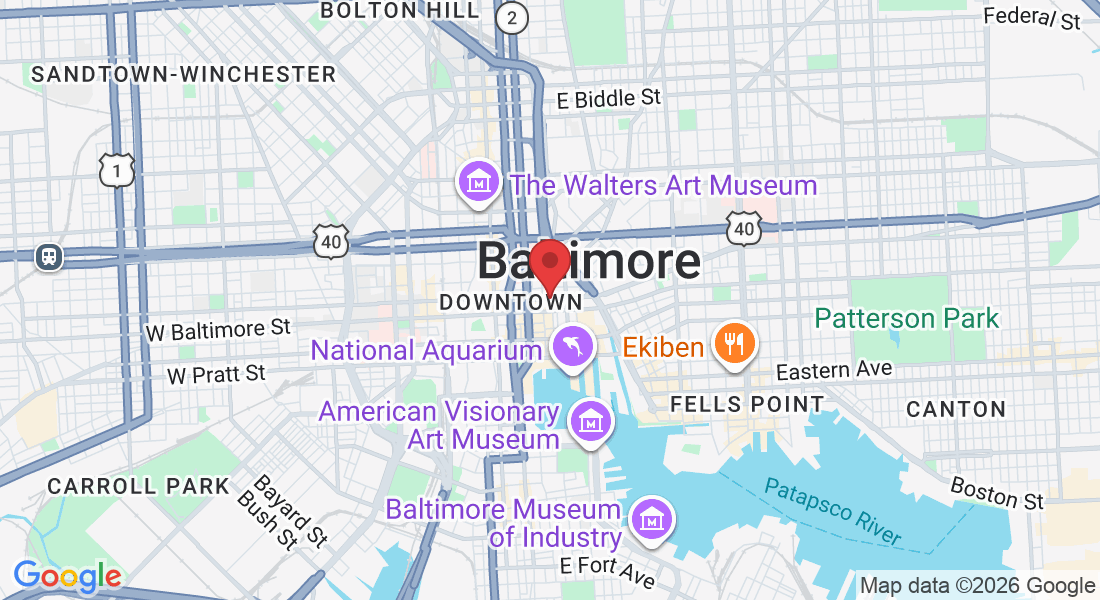
Baltimore and Baltimore County, including Towson and Owings Mills
Howard County communities such as Columbia and nearby areas
Frederick and surrounding Frederick County neighborhoods
Annapolis and Anne Arundel County
Rockville, Silver Spring, and other parts of Montgomery County
Bowie, Waldorf, and nearby communities in Prince George’s and Charles Counties
If your property is in or near these areas and you are exploring ways to avoid foreclosure in Maryland, we are happy to discuss your situation, explain how a cash sale works, and provide a no-pressure opportunity to Get My Free Cash Offer so you can compare it with other options.
Frequently Asked Questions About Foreclosure and Selling Your House in Maryland
1. How long does foreclosure take in Maryland?
Timelines vary, but many foreclosures take about 6–9 months from the first missed payment to a foreclosure sale, and sometimes longer if mediation or court challenges occur. Because Maryland law requires a 90-day default period and a 45-day Notice of Intent to Foreclose before filing, you usually have some time to explore options, but it is important to act early.
2. Can I stop a foreclosure once it has started?
Sometimes, yes. Options may include catching up the past-due amount, obtaining a loan modification, entering a repayment plan, completing a sale or short sale, or filing for bankruptcy. Whether these steps will stop a specific foreclosure depends on timing, your lender’s actions, and court decisions. Speak with your servicer, a housing counselor, and a Maryland attorney as soon as possible to understand your choices.
3. Will selling my house for cash hurt my credit like a foreclosure?
A completed foreclosure can significantly damage your credit for years. A normal sale—whether to a traditional buyer or a cash buyer—typically appears on your credit like any other mortgage payoff, which is usually less harmful than a foreclosure. However, late payments leading up to the sale may still appear. For personalized insight, consider speaking with a credit counselor or financial advisor.
4. Do I have to make repairs to sell my house before foreclosure?
Not necessarily. Traditional buyers and their lenders may require repairs or concessions after inspections, which can be difficult if you are already behind on payments. A cash buyer like SellHouseMD can purchase the property as-is, so you do not need to fix or update anything. This can be helpful if the home needs work or you do not have funds for repairs.
5. What if I owe more than my house is worth?
If your mortgage balance is higher than the expected sale price, you may need to explore a short sale or deed in lieu of foreclosure. Both require lender approval and may have tax or deficiency implications. Some homeowners still choose a cash offer as part of a negotiated short sale. Because this area is complex, it is wise to involve a Maryland attorney and a HUD-approved housing counselor before making decisions.
6. Can I sell my house after receiving a Notice of Intent to Foreclose?
Often, yes. The Notice of Intent is an early warning, not the sale itself. Many Maryland homeowners successfully sell their homes—through agents or cash buyers—after receiving this notice. The key is acting quickly, understanding your payoff amount, and coordinating with your lender and closing attorney or title company to ensure the foreclosure is properly addressed at closing. If you are considering a cash sale, you can request a Get My Free Cash Offer and discuss timing with the buyer.
7. Will I get any money back if my house is foreclosed?
It depends. If the foreclosure sale price is higher than what you owe (including fees and costs), there may be surplus funds. In some cases, you may be entitled to claim this surplus through the court. However, many foreclosure sales do not generate surplus funds, especially when properties need repairs. Selling before foreclosure can sometimes make it easier to know your net proceeds and preserve more of your equity, if any exists.
8. Are there scams I should watch out for when trying to avoid foreclosure in Maryland?
Unfortunately, yes. Be cautious of anyone who guarantees they can “stop foreclosure overnight,” asks you to sign over your deed without explaining consequences, or charges high upfront fees for “loan modification services.” The Maryland Attorney General’s Office warns homeowners to verify licenses, read all documents carefully, and consult independent professionals before signing anything. Legitimate buyers and counselors should welcome your questions and encourage you to seek outside advice.
9. How quickly can SellHouseMD buy my house if foreclosure is coming up?
Closing speed depends on your specific situation, title issues, and the scheduled foreclosure date. In some cases, we can close in as little as a week or two. In others, more time is needed. The first step is to share basic information about your property and payoff amount so we can evaluate whether a timely, as-is cash purchase is realistic. If it is, we will present a clear offer so you can decide whether to move forward. You can always start by asking us to Get My Free Cash Offer.
10. How do I know which option is best for me?
The “best” option depends on your income, debts, family needs, property condition, and goals. Some homeowners successfully keep their homes through loan modification or repayment plans. Others decide that selling—either traditionally or to a cash buyer—is more realistic. Still others consider bankruptcy or short sales. Because every homeowner’s situation is different, it is helpful to speak with a HUD-approved counselor, a Maryland attorney, and, if you are considering selling, a reputable buyer like SellHouseMD before you decide.
Taking Your Next Step
Navigating foreclosure in Maryland can feel overwhelming, but you do have options. Understanding how the process works, recognizing early warning signs, and learning about tools like loan modification, forbearance, repayment plans, short sales, and cash offers can help you make informed, confident decisions. Whether your goal is to keep your home or move on in the best way possible, taking action early is key to protecting your finances and peace of mind.
If you want to see how a straightforward, as-is sale might fit into your plan to avoid foreclosure in Maryland, you are welcome to contact SellHouseMD, ask questions, and request a Get My Free Cash Offer. From there, you can compare our offer with your other options and choose the path that feels right for you and your family.
⭐⭐⭐⭐⭐ Trusted by Maryland Homeowners
See why homeowners across Maryland trust SellHouseMD for a fast, hassle-free home sale.

Sarah M. – Baltimore, MD

I needed to sell quickly without making repairs. SellHouseMD gave me a fair offer and closed in just over a week. The process was simple from start to finish.

David & Lisa R. – Columbia, MD
We inherited a property we didn't want to manage. They handled everything professionally and there were no hidden fees.

Michael T. – Owings Mills, MD
Selling through a realtor wasn't the right option for us. SellHouseMD made a fair cash offer and we picked our closing date.
Ready to Sell Your House?
Questions?
Call us today or request your free cash offer.
Email: [email protected]
Service Area
Maryland and neighboring states
Assistance Hours
Monday–Saturday: 8:00 AM – 8:00 PM
Sunday – By Appointment
Phone Number:
(443) 602-9106
We Buy Houses Throughout Maryland
We buy houses in any condition throughout Maryland. Get a fair cash offer with no repairs, no commissions, and no obligation.
© 2026 Sell House MD - All Rights Reserved. We Buy Houses Throughout Maryland.


